

Our mission is to securely capture, store, and verify the world’s most vulnerable digital records. Today, we are proud to announce a significant milestone in that mission: the successful preservation of several terabytes of critical data from the TUMO and Armenian Cultural Heritage Institute’s Scanning Project. This data is now securely stored at the USC Digital Repository, part of the USC Libraries – our academic co-anchor.
This collaboration represents more than just data storage: it is a vital effort to protect cultural memory in the face of conflict and erasure.
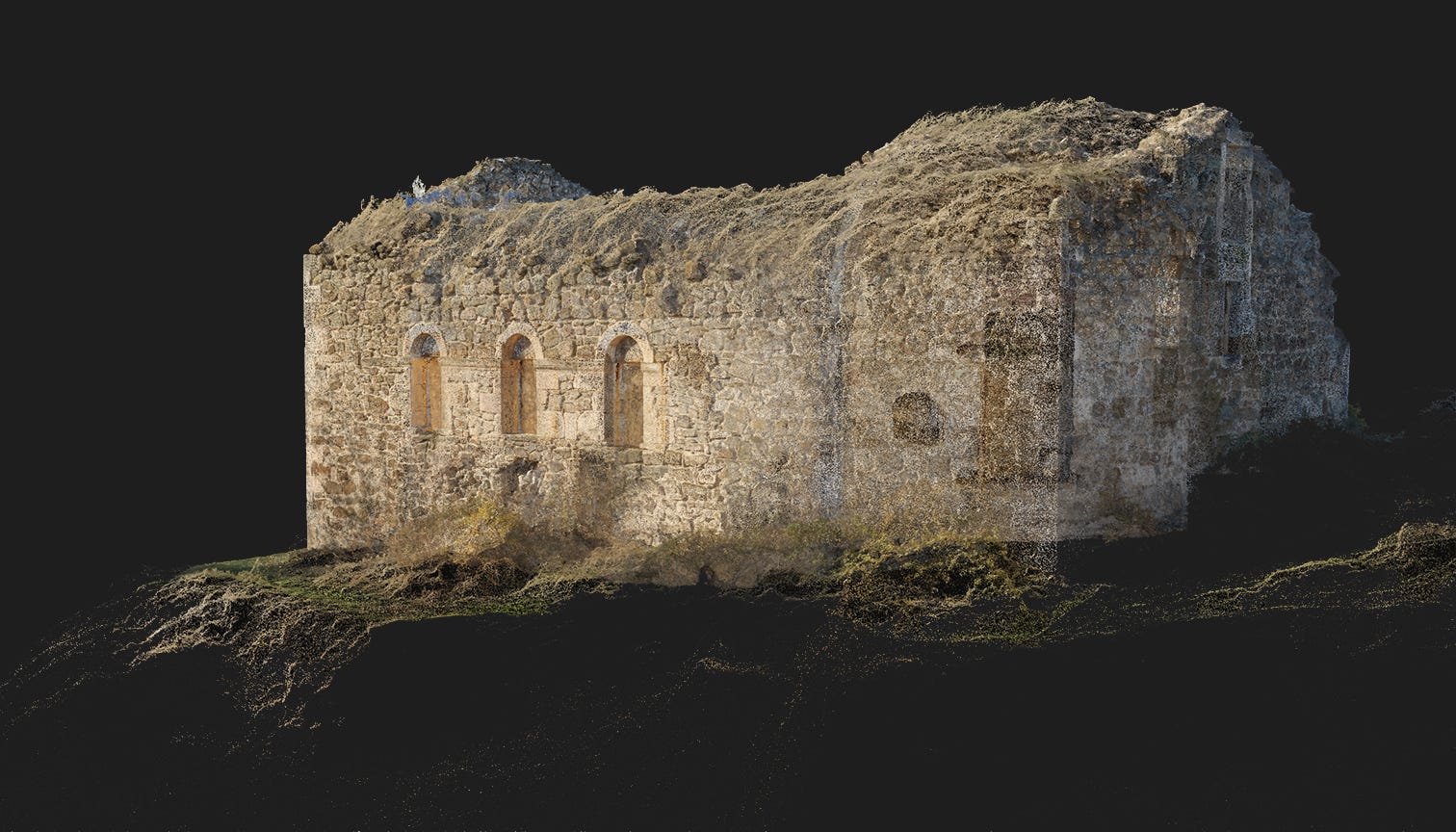
Preserving “Digital Twins” of Endangered Sites
The data we have preserved consists of high-fidelity 3D scans – including photogrammetry and laser scan data – of Armenian cultural heritage sites located in the Artsakh (Nagorno-Karabakh) region. The collection includes original raw photographs and 3D models of monasteries, churches, and monuments, many of which are currently inaccessible or at risk of destruction due ethnic cleansing policies carried out by Azerbaijani authorities in the region (see EU Parliament resolution and Caucasus Heritage Watch at Cornell University for more).
By creating and preserving these “digital twins,” TUMO, Armenian Cultural Heritage Institute and Starling Lab are ensuring that even if the physical sites are damaged or erased, accurate and immersive records will survive for future generations of historians, researchers, and the public. This initiative directly counters the threat of cultural erasure by creating an immutable, decentralized record of this heritage.
Powered by World-Class Preservation Infrastructure
To ensure these records are resilient against censorship, data loss, and single points of failure, we have stored them on the USC Filecoin Node.
More than a simple server, this node is in fact a massive 22-petabyte storage facility integrated into both the USC Digital Repository and the Filecoin network. It leverages cryptographic proofs to guarantee data durability while offering the immense scale required for high-fidelity 3D historical archives.
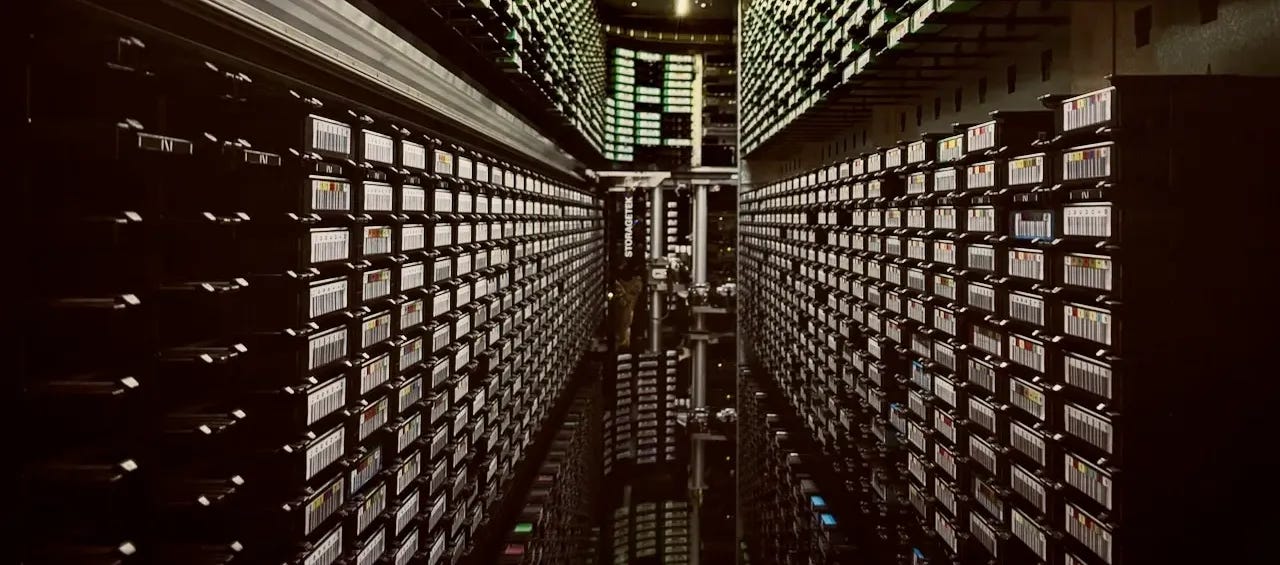
It is operated by us at Starling Lab and the USC Digital Repository, a service of the USC Libraries. While the Filecoin node represents the cutting edge of decentralized storage, it is just one part of the Libraries’ deep expertise in preservation and archiving. By housing this node within a leading research university, we combine the innovation of Web3 protocols with the rigorous preservation standards developed over decades by archivists and librarians.
We have committed to preserving this archive for 20 years, ensuring that the history of Armenian heritage in Artsakh (Nagorno-Karabakh) remains accessible in the long term – at no cost to TUMO, the custodians of that archive.
The Frontier of Spatial Intelligence
This preservation effort also dovetails with our broader research into 3D and spatial intelligence. As we move beyond 2D images, technologies like Neural Radiance Fields (NeRFs) and 3D Gaussian Splatting allow us to transform standard photographs into fully immersive, navigable 3D environments.
By applying our “Authenticity by Design” framework to these 3D datasets, we are not just storing files; we are establishing a root of trust for spatial experiences. This allows us to verify that a 3D reconstruction of a heritage site is faithful to the original scans and has not been manipulated. As we continue to develop these tools, the TUMO collection will serve as a foundational dataset for testing how we can authenticate and experience history in the metaverse.
Preserving such a collection is a powerful demonstration of how decentralized technology can serve humanity. By locking these records on the blockchain, we are ensuring that the history of Armenian heritage in Artsakh (Nagorno-Karabakh) can never be deleted, denied, or forgotten.
I wish our Saturnia team also kept at least some of this data. After all, we are in favor of decentralization, right?